





Belarus Tour Guide: Ideas for Your Trip!
What Belarusian women wore in centuries past: Bezdezh Fartushok museum of aprons
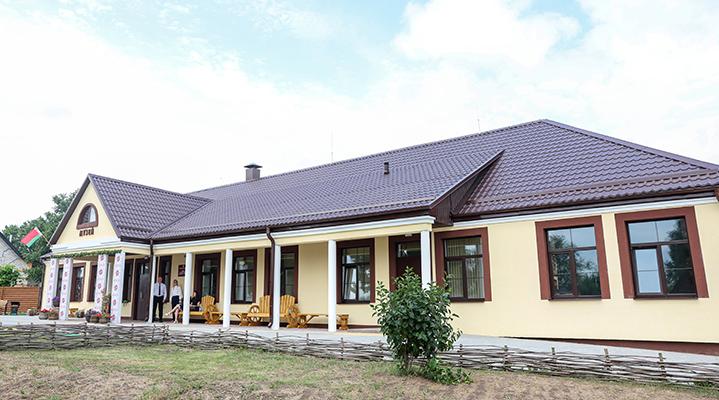
The village of Bezdezh in Drogichin District, located in the heart of the Polesie region, is rightfully considered one of a kind. What makes it so special are its remarkable ancient traditions, which have survived from time immemorial and continue to thrive in the 21st century. Add to that the exquisite pieces of folk fashion from bygone eras, which have become the true brand of Bezdezh. You won’t find anything like them anywhere else! Thanks to these treasures, Belarus is home to the world's only museum of aprons (fartukh, fartushok in Belarusian).
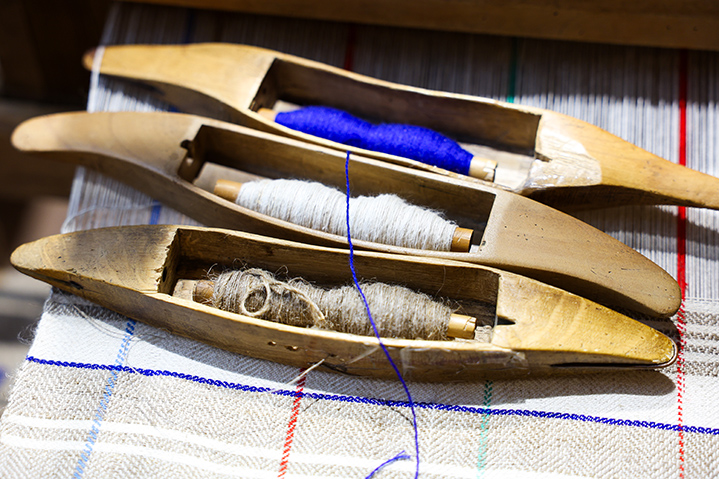
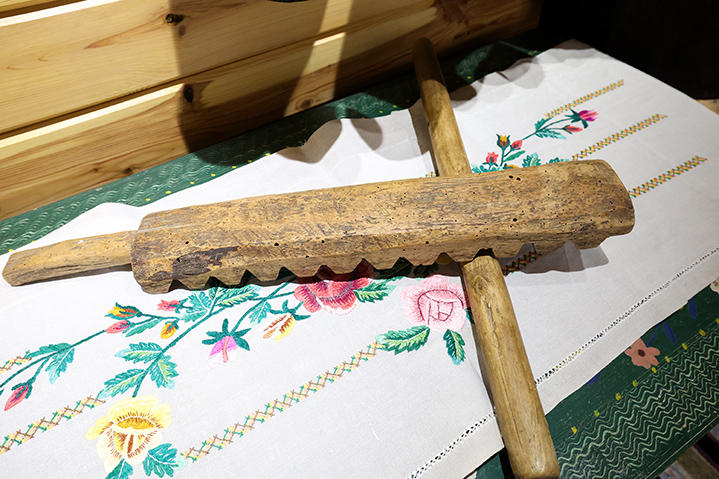
For centuries, aprons in Western Polesie were a true adornment for girls and women. They were embroidered only when the soul was at peace: when the family was fed and healthy, the house was in order, and everything was running smoothly on the farm. However, the aprons from Bezdezh became an even more remarkable artifact of folk decorative and applied art. To create them, local craftswomen did an enormous amount of work: flax was harvested at a strictly defined time and then painstakingly turned into the finest yarn: 300 threads were supposed to pass through an engagement ring. The signature whiteness of the woven fabric was achieved through special secrets, and the finished aprons were then embroidered with patterns. Bezdezh aprons feature almost no geometric ornaments: local women preferred floral motifs, transferring the beauty of nature onto the fabric.
In 1999, the Bezdezh Fartushok Museum of Folk Arts was opened in the village, unique in its theme and one of the most atmospheric museums in the country. Today, its collection numbers around 500 aprons. And no two patterns are alike! The oldest exhibit was created in 1880 by the craftswoman Todora Mukha. The museum also houses other items of national costume and Polesian towels. The museum offers fascinating tours revealing the everyday life of Belarusians and the traditions of folk fashion. It also conducts workshops and authentic rituals.
In July 2026, the Bezdezh Fartushok museum reopened after a major renovation and re-exposition. Incidentally, it never stopped receiving tourists during the work.
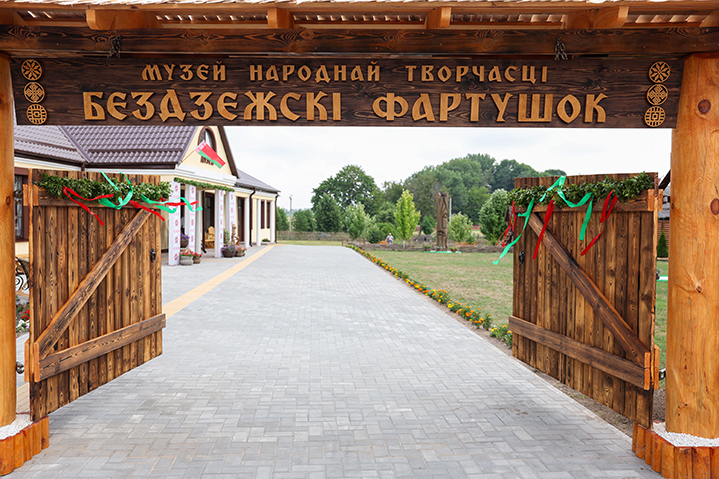
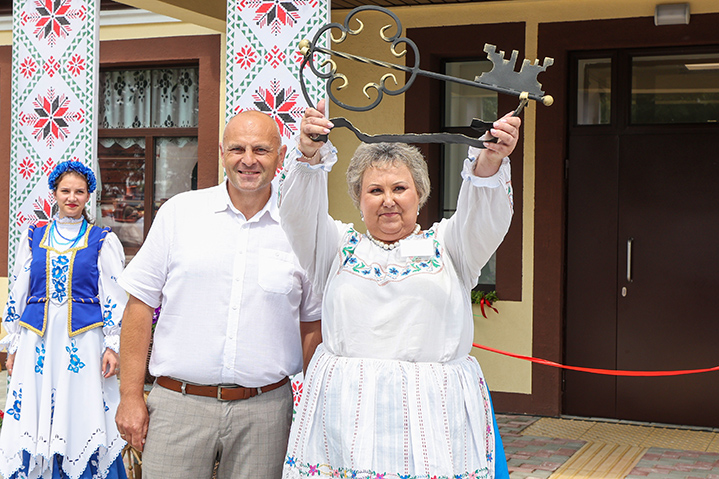
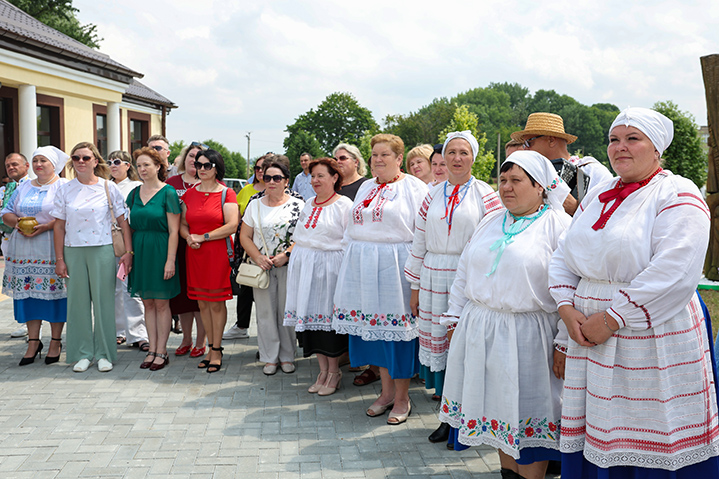
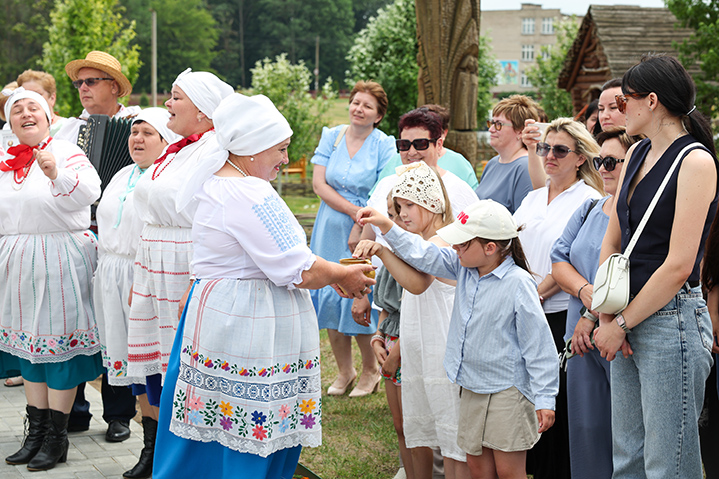
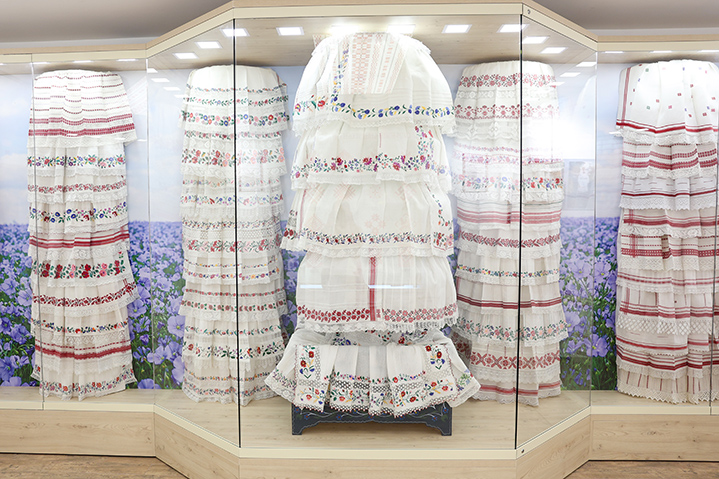
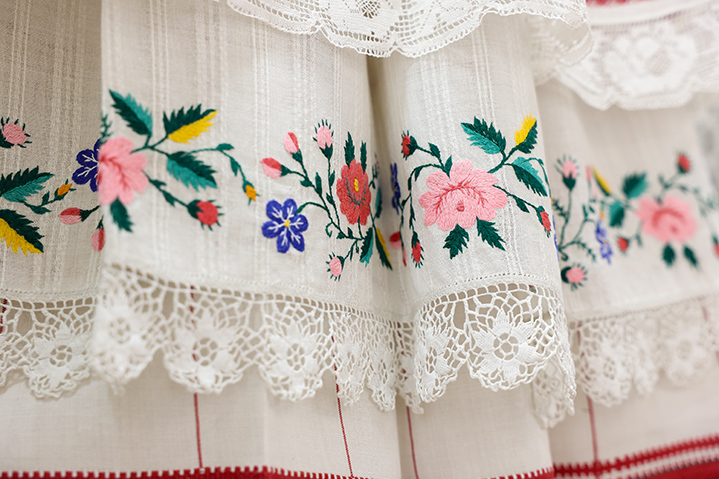
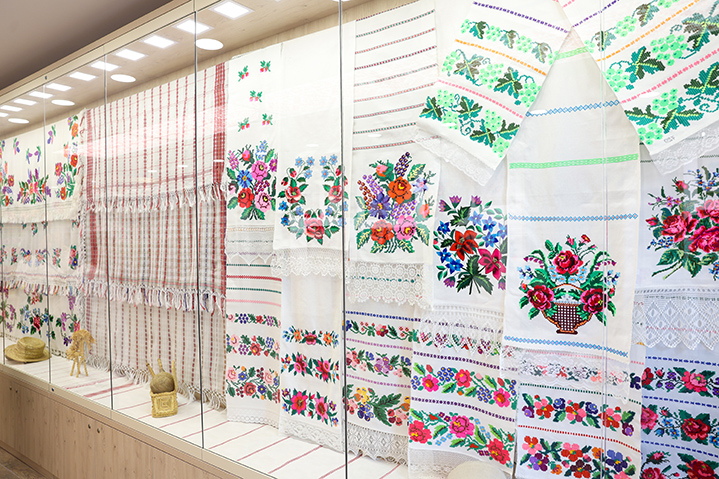
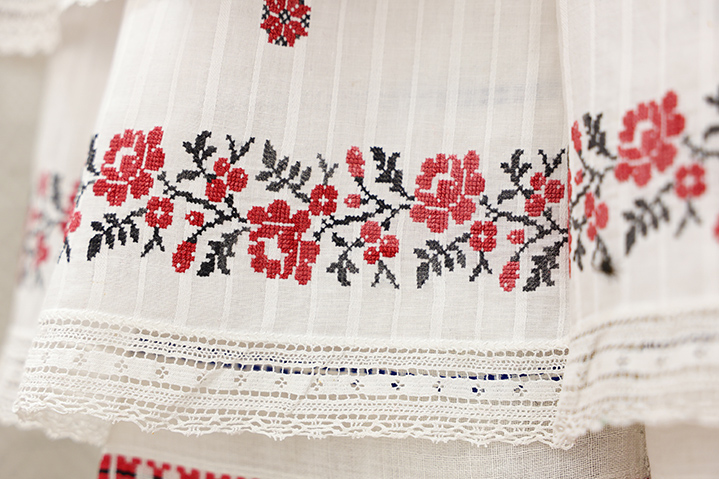
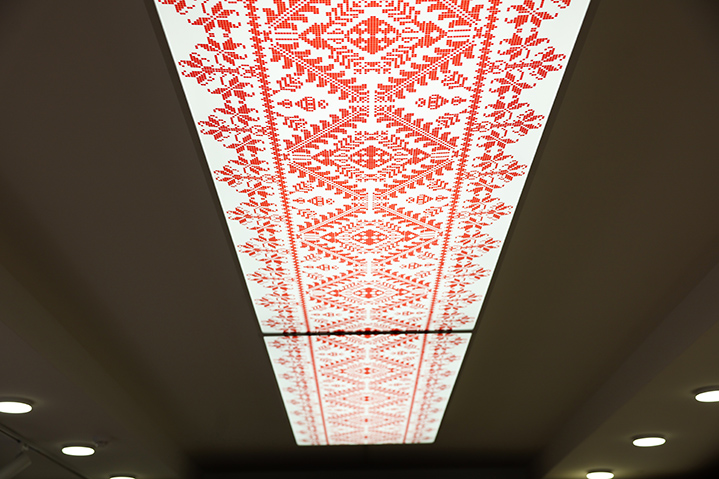
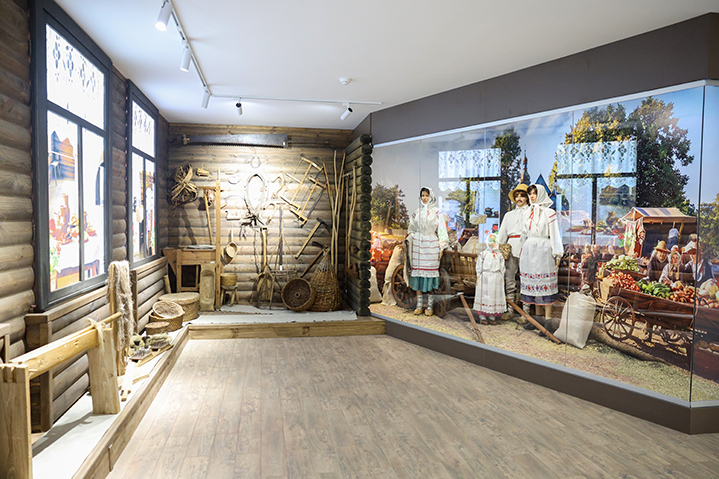
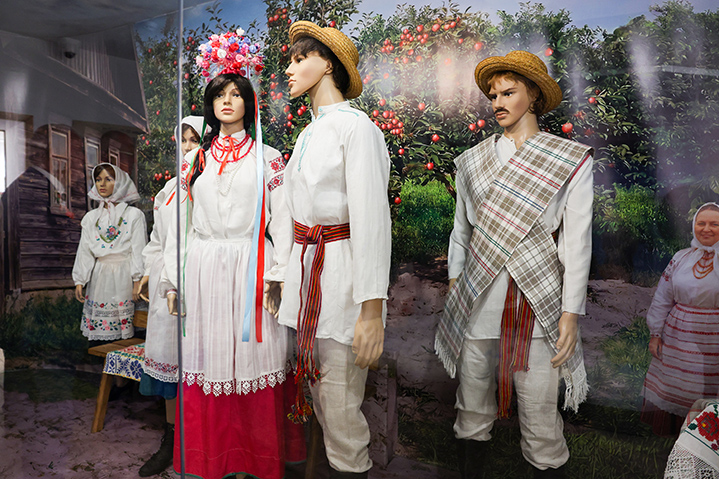
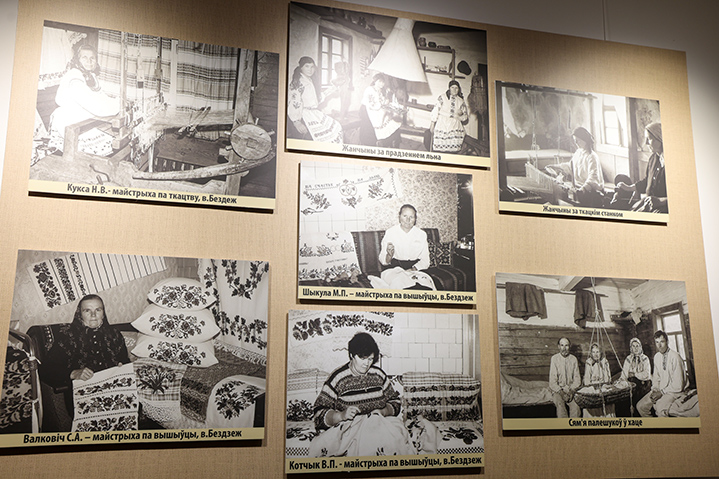
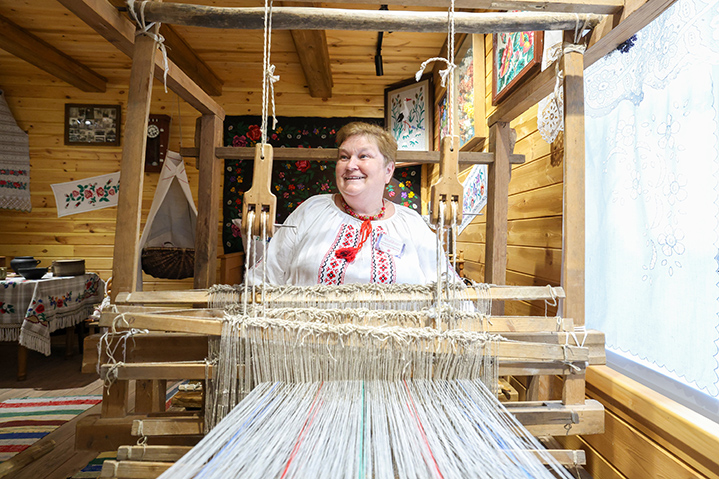
The exhibition occupies six rooms. On display are peasant lifestyle artifacts, flax processing stages, a traditional cottage interior, handwoven rushnyks, folk clothing, as well as modern embroidery and weaving. The highlight of the exhibition is a unique collection of aprons.
In the first room, visitors dive into the daily life of Bezdezh. “The panorama of the ‘misto’ (town) takes pride of place. For centuries, major fairs took place near the Holy Trinity Church. The church square is exactly where the streets of Bezdezh converge. This is also the site of our spring ritual Strylka, which is featured on the historical and cultural heritage list of Belarus,” the director of the museum Maria Ostapovich noted. “The second room recreates the interior of a peasant cottage. In the third room, we will share the stories of the rituals of our Bezdezh land.”
The fourth room is truly the main treasure trove of the museum. Prior to the redesign, it displayed around 50 aprons, but today it features over 100. The collection holds about 500 aprons in total, with no two pieces being identical. In the fifth room, visitors can explore the outfits worn by local villagers throughout the seasons, with wedding costumes taking pride of place. The sixth room showcases the weaving techniques that are still alive in Bezdezh to this day.
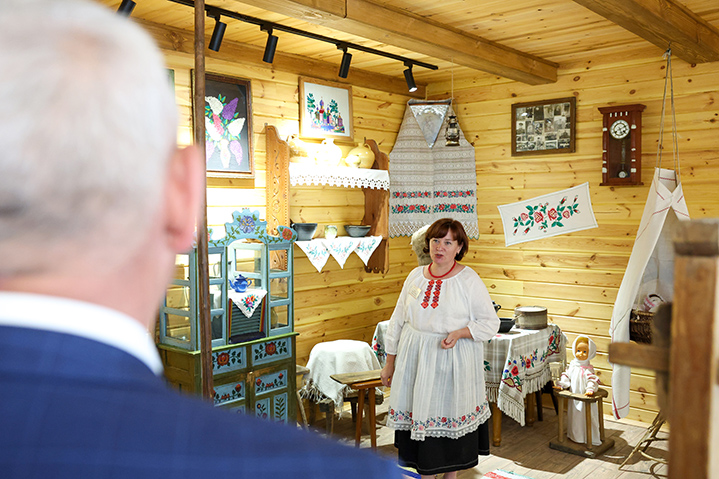
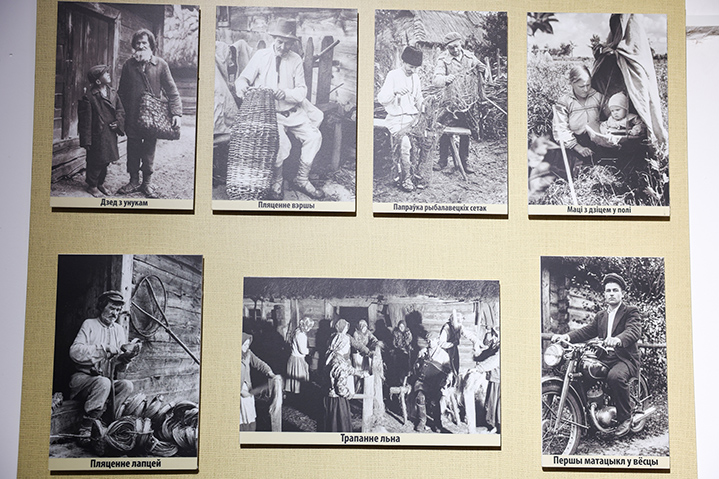
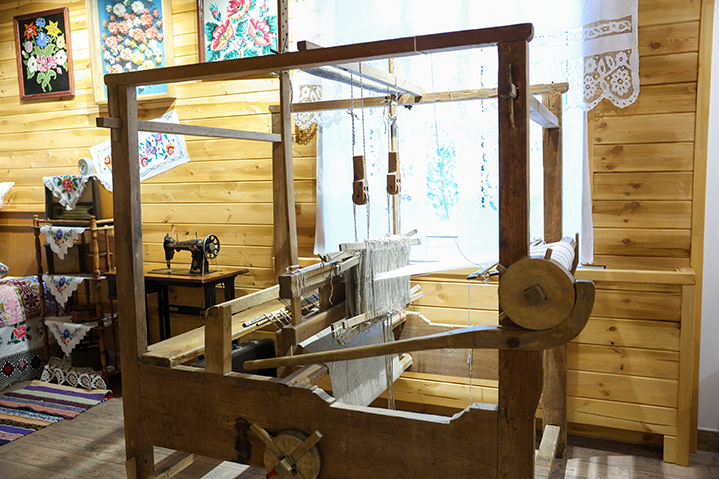
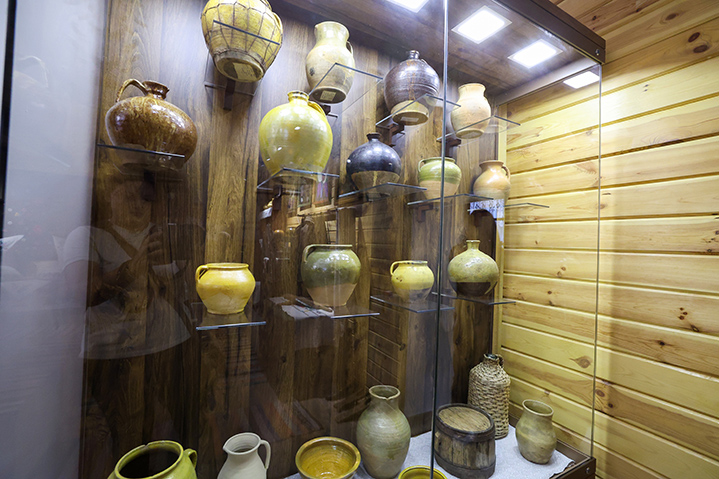
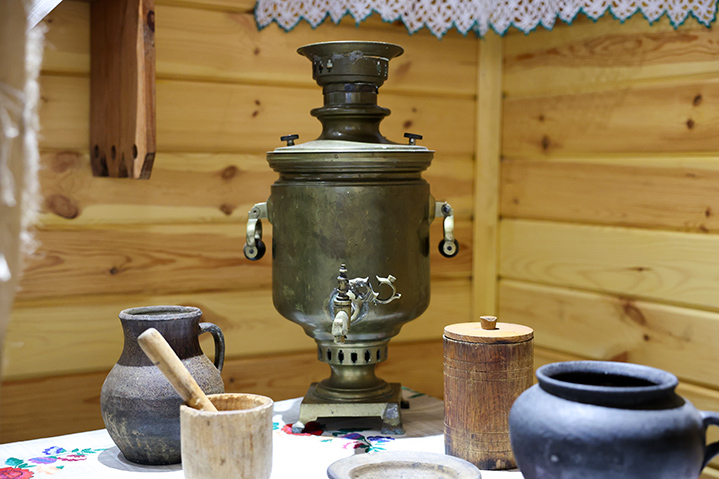
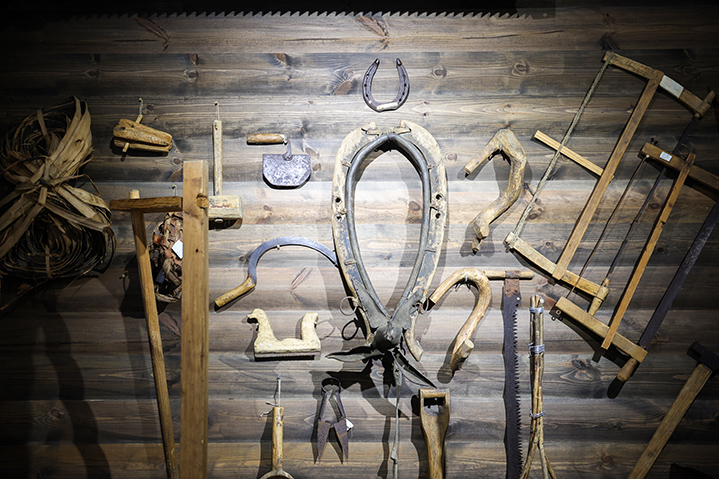
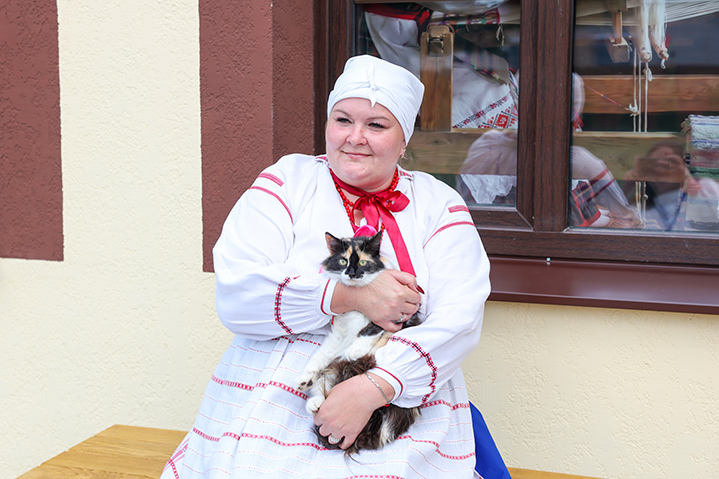
The museum also features the Kalya Plesa farmstead, named after a local river in the Bezdezh dialect. It is an authentic old peasant house showcasing the daily life of Polesian villagers. Tourists can check out the farmyard, go fishing, take a carriage ride, sample heritage dishes like draniki, salo, Bezdezh bread, fresh milk, and cheese, and savor the flavor of a traditional seasoning made from crushed flaxseeds.
As legend has it, the name of the village is connected to bread baking. Centuries ago, the locals were so poor they didn’t have any containers for kneading dough, which is why people in neighboring villages called them “bez dezh” (without a trough), “bezdezhtsy”.
In 2019, the Bezdezh Fartushok museum revived the lost craft of weaving the unique local wedding wreath known as the “pava”. This accessory has also become a hallmark of this distinctive village. From the 1920s-1930s right up until the late 1980s, Bezdezh girls would walk down the aisle wearing pava wreaths made especially for them. Crafting the wreath took about a month, and the bride’s friends would help her make it. The materials used were white and colored paper, bright ribbons, and, for the daughters of wealthier families, beads as well. The pava consisted of two parts: the base - a hoop wrapped in green ribbon, symbolizing the start of a new chapter in life, and the decoration - bouquets of handmade paper flowers attached to wire stems about 20 cm long. Tradition held that ten bright flowers made up one bouquet, and a wedding wreath had to have at least seven of them. The wealthier the bride, the more lavish her pava!
All the fashionable accessories of Bezdezh beauties from bygone days can be seen at the Bezdezh Fartushok museum at any time of year. But spring is the season to come here for another spectacle - the unique rite of Strelka, or as they say locally, Strylka. Here too, only girls and women take part. They dress in traditional folk costumes and tie on the famous aprons that have been preserved in many families to this day.
 print version
 make home page
 add to bookmarks
