


Press releases
Kolyady magic: Mogilev District welcomes tourists from different countries
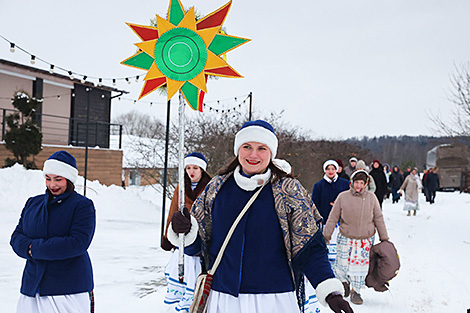
BelTA took a look at how Kolyady is celebrated in a Belarusian village. We headed to the agro-town of Polykovichi in Mogilev District, where during Kolyady, local residents, visitors from other regions, and even from abroad sing songs, exchange good wishes, and believe in the magic of winter. We saw firsthand how this Belarusian tradition connects generations and cultures.
Kolyady is a holiday with deep roots: it originated in pagan times, later becoming established in Christian tradition, and is celebrated between Christmas and Epiphany. During this time, Mogilev District welcomes visitors not only from various parts of Belarus but also from overseas. Over the New Year holidays, the district’s farm stays host tourist groups who come not just to observe, but to participate - to sing, to try potato pancakes (draniki) made from an ancient recipe.
A special, magical atmosphere reigns at the Grey Neck [Seraya Sheyka] farmstay. Snow crunches underfoot, smoke curls from the chimney, and inside it’s warm with the smell of homemade food. People have gathered here to celebrate the holiday and touch an ancient tradition. Kolyady is not just a date on the calendar; it’s something about an unbreakable bond between past and present.
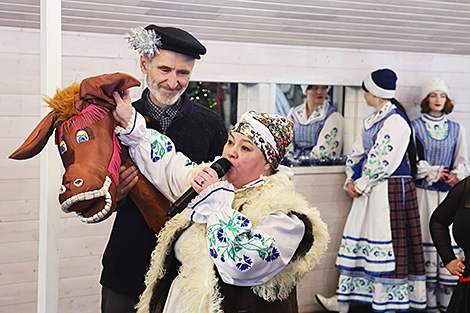
“What our homestead is famous for is how frequently we hold festivals and special-event celebrations all year round,” shares Svetlana Makhankova, who runs the farmstay.
According to her, over the New Year holidays, the farmstay welcomed about 25 tourist groups, roughly 300 people, and hosts over 2,000 visitors annually. They come specifically for Maslenitsa, Kupala Night, the Bread Festival, and, of course, Kolyady.
The holidays celebrated in Polykovichi are filled with warmth and coziness. “Visitors are drawn to Belarusian cuisine, the things we produce ourselves: draniki, blood sausage, homemade sausage, and salo [cured pork fat]. They even ask to take some home with them! And, of course, our folklore: the songs, rituals, and workshops,” adds Svetlana.
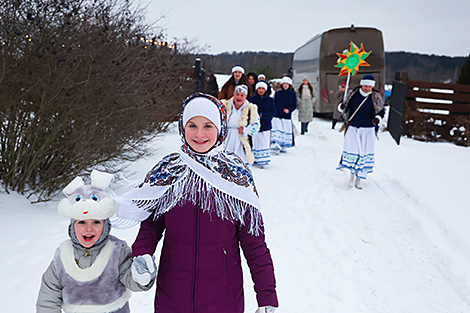
Girls from the local club in the agro-town of Polykovichi prepare a special program for each holiday. “They put their hearts into everything, and tourists feel that. After the events, they say the experience outweighed all the worries they had beforehand,” the hostess points out.
You only need to hear an ancient Kolyady song performed by the local girls to understand that time slows down here.
The organizers prepared a full program for the guests: dancing, singing, rituals, treats - everything homely, without pretension, filled with genuine joy.
The visitors confirm that the impressions last long after. Ksenia Shulmina from Solnechnogorsk in Moscow Oblast came to Belarus for the second time. She visited Minsk and Mir in 2013 but decided to return to see Belarus once more. “We’ve been to Bobruisk, Orsha, and Mogilev. Today, we toured the local palaces. Belarus is beautiful both in summer and in winter. It’s the kind of country you want to come back to. You can feel the coziness here,” she says.
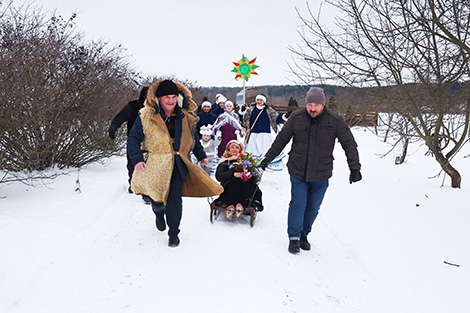
What especially amazed her was the chance to experience a living culture firsthand. “We have similar festivities back home too, but here everything is different. It’s so much fun and the food is delicious. Everyone sings, dances, takes part in contests. Kolyady is truly a wonderful holiday, especially in this place,” Ksenia adds.
Visitors have the warmest impressions not only of the country but also of the Kolyady celebrations, which are marked by their scale. For some, it’s the first time they are celebrating this holiday, and they are doing so right here in Mogilev District. Roman Pankratov and Olga Pankratova from Moscow had already visited Belarus in the summer and decided to come again in winter. “We were so impressed that we decided to return specifically for the winter holidays,” Roman shares. His wife Olga adds: “Today I tried rassolnik [sour cucumber soup with grains]. Words can’t describe how delicious it is, such authentic Belarusian flavor! And draniki - such a unique taste, you can eat them even without sauce. My husband and I were thrilled by this unforgettable trip.”
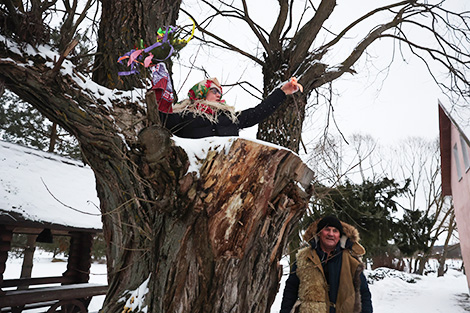
For Olga Pankratova, Kolyady is a rare chance to “forget for a little while that you’re an adult and become a child again”. In that lies the main magic of the holiday: it gives you a sense of wonder, something not so easy to feel amid the routine of big cities and everyday life.
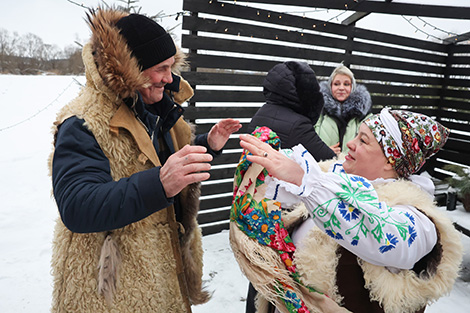
But not all visitors are encountering Kolyady for the first time. Yelena Mukhanova from Moscow has been attending such events for 15 years. “In Russia, we also celebrate Kolyady with lots of fun. People go to villages, dress up, tell fortunes,” she says. What especially impressed her in Belarus was the attitude toward the holiday. “The people here are so lively, cheerful, and hospitable. The event they organized today was wonderful, everything was top-notch. I will definitely come here many, many more times,” Yelena said.
According to Natalya Gomonova, Head of the Culture Department of the Mogilev District Executive Committee, tourist interest in the region is growing rapidly: “We have already welcomed tourists not only from Russia but also from China, Uzbekistan, Turkmenistan, Mongolia, and other countries.”
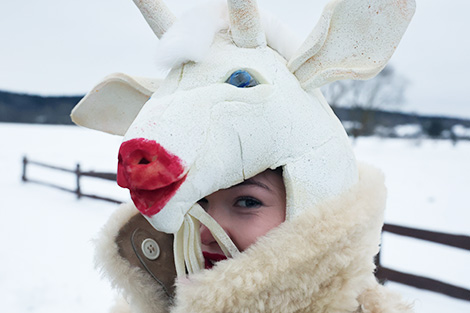
Kolyady in Polykovichi is not just a theatrical show for tourists. It is a living tradition passed down from generation to generation. There is no pretension here, only sincerity. The celebration at the farmstay lasts just a few hours, but it leaves a lasting impression for months to come. People leave with souvenirs and a desire to return again. Kolyady is more than a winter ceremony; it’s a reminder of a kind and slightly magical world, and of open-hearted people.
Tatyana SELEDTSOVA,
photos by Oleg FOINITSKY,
BelTA.
 print version
 make home page
 add to bookmarks