




Events
Sinyavsky: Contaminated area in Belarus shrinks 1.8 times over 40 years
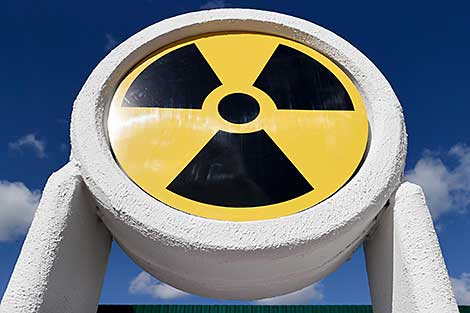
An archive photo
MINSK, 4 July (BelTA) – The area of radiation contamination in Belarus has shrunk significantly over the past four decades, Emergencies Minister Vadim Sinyavsky revealed in an interview with the Economy of Belarus Magazine.
Over the past 40 years, as a result of the radioactive decay of cesium-137, the contaminated area has shrunk 1.8 times, to 25,000 square kilometers, or 12% of the country’s territory. The share of radiation-affected agricultural land, approximately 791,000 hectares, or 10.7%, and forests, approximately 1.47 million hectares, or 15.1%, has shrunk in roughly the same proportion. A total of 1,657 populated areas, or 45% of all those affected, were returned to normal life immediately after the accident.
“Due to high radiation levels and the impossibility of producing clean products, agriculture lost more than 260,000 hectares of land between 1986 and 1990. However, the process of returning those lands to use began as early as 1993, when observations showed a decline in soil contamination density from radionuclides due to natural decay,” the minister explained. The Emergencies Ministry is preparing proposals for the government on returning such lands to agricultural use, based on expert opinions from the Ministry of Natural Resources and Environmental Protection, the Agriculture and Food Ministry, and the Healthcare Ministry, with both economic and radiological feasibility taken into account, Vadim Sinyavsky said.
One of the mandatory conditions is the safety of workers and of the products that will be grown on such lands. The results of radiological and agrochemical soil surveys are taken into account, as are projected radiation doses based on transfer coefficients to crop products.
With all precautionary measures in place, nearly 22,000 hectares have been returned to agricultural use. Crop and livestock products grown on these lands meet the radionuclide content requirements of the relevant standards, which, incidentally, are among the strictest compared with other countries.
 print version
 make home page
 add to bookmarks