




Events
Belarus raises alarm at UN Geneva over increasing migrant casualties on EU border
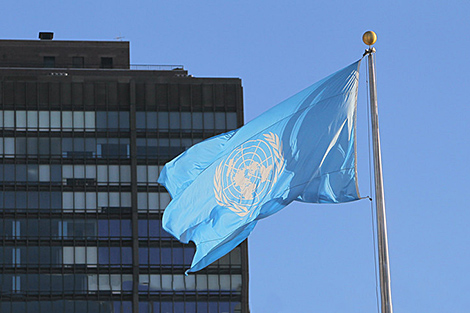
An archive photo
MINSK, 22 June (BelTA) - Belarus insists on the importance of restoring cooperation in order to prevent new migration-related casualties on the border with the EU, Larisa Belskaya, Permanent Representative of the Republic of Belarus to the UN Office and other international organizations in Geneva, aid as she spoke at Interactive Dialogue with the Special Rapporteur on Migrants during the 62nd session of the UN Human Rights Council, BelTA has learned.
The diplomat noted that Belarus shares the concerns about current trends and the risks both to the rights of migrants and to the observance of relevant international obligations. “The tragic consequence of the policy of preventing migrants from reaching the EU is the rising number of migrant deaths on the borders of Belarus with EU countries: 7 people in 2021, 9 in 2022, 31 in 2023, 25 in 2024, 28 in 2025. We continue to insist on the importance of restoring cooperation for joint border management in order to prevent further casualties. However, the EU prefers to expand externalization,” Larisa Belskaya emphasized.
According to her, it is deeply concerning that the EU’s approaches and the practices by a number of its member states in regulating migration are increasingly becoming a grey area for international oversight. International and intergovernmental organizations and also the private sector are being drawn into risky activities. At the same time, the presumption of effectiveness is far from obvious, particularly with regard to the latest European instruments for regulating migration.
Belarus’ permanent representative inquired the Special Rapporteur on Migrants about the measures that the international community could take to prevent negative consequences for human rights and the rule of law. “A policy that curtails the right of migrants or refugees to legal status in favor of deportation, including the creation of centers in third countries, can have severe consequences for the human rights of migrants and their families,” Larisa Belskaya stated.
The diplomat also spoke during an interactive dialogue with the Special Rapporteur on trafficking in persons at the 62nd session of the UN Human Rights Council. Larisa Belskaya emphasized that the Special Rapporteur’s presentation highlighted the high risks for migrant children of becoming victims of human trafficking. The international community is consistently combating the crime of human trafficking on the basis of relevant treaties and coordination mechanisms, such as the UN Global Plan of Action to Combat Trafficking in Persons.
Larisa Belskaya noted that in order to strengthen joint efforts, a resolution “Combating Trafficking in Persons for the Purpose of Coercing into Crime” co-sponsored by Belarus and Kazakhstan was adopted by consensus at at the 35th session of the UN Commission on Crime Prevention and Criminal Justice in Vienna on 5 June. This document provides for measures to prevent the prosecution of trafficking victims for crimes committed as a consequence of their exploitation, as well as to strengthen the protection and support of victims.
The Belarusian diplomat asked the Special Rapporteur about the measures the UN human rights bodies could take to prevent risks to human rights that are anticipated as a result of the new EU migration policy.
“It is a matter of concern that, in addition to objective difficulties, the fight against trafficking in persons is being aggravated by new adverse trends in migration management," Larisa Belskaya noted.
 print version
 make home page
 add to bookmarks