




Opinions & Interviews
Energy minister comments on benefits of third BelNPP unit
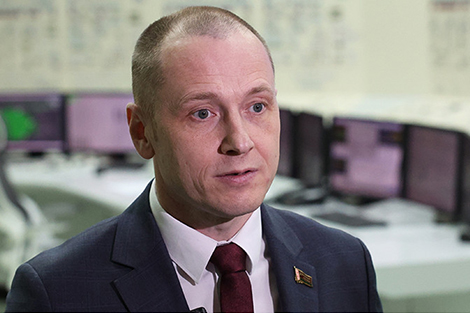
MINSK, 22 December (BelTA) – Ahead of an off-site session of the House of Representatives of the National Assembly of Belarus, Belarus’ Energy Minister Denis Moroz told journalists about the advantages of constructing the third unit of the Belarusian Nuclear Power Plant (BelNPP), BelTA has learned.
The Belarusian energy system is gaining momentum. “The previous five-year period marked a landmark event – the commissioning of the country’s first nuclear power plant. This became a powerful impetus not only for the energy sector but for the entire economy,” Denis Moroz said.
Over the past five years, electricity consumption in Belarus has increased by 6 billion kWh. “This is not just a number: real changes stand behind it,” the minister emphasized.
BelNPP has opened up a whole range of new directions that previously hardly existed: electric heating, the development of electric transport, the introduction of digital technologies, and the growing use of electricity in manufacturing and other sectors. “And we clearly see: the trend of rising consumption will only intensify. Why? Because people are increasingly using electricity not only for household needs but also for heating. Today, the growth rate of electricity consumption in this area is about 40% per year. And for electric vehicles it is even higher: up to 200% per year. This growing demand must be sustainably met,” Denis Moroz stressed.
That is why, on 14 November 2025, the head of state made a conceptual decision: the next stage of energy development will be the construction of a third unit at the existing Belarusian NPP site.
“First of all, it will provide the country’s economy with an environmentally clean, reliable, and safe source of energy capable of meeting rising demand. Secondly, it will mark a technological breakthrough. The project’s implementation involves the use of the most modern solutions and advanced technologies right here on our territory. Thirdly, it will create new opportunities for the education system and employment. About 1,000 additional highly qualified nuclear specialists will need to be trained to operate the third unit. This means new educational programs, staffing challenges, and investments in human capital,” Denis Moroz emphasized.
It is precisely these factors (energy security, technological development, and human resources) that determined the choice: building the third unit at the existing BelNPP site is the most promising and rational path, the minister concluded.
 print version
 make home page
 add to bookmarks