



Opinions & Interviews
FAO chief highlights Belarus’ role in ensuring global food security
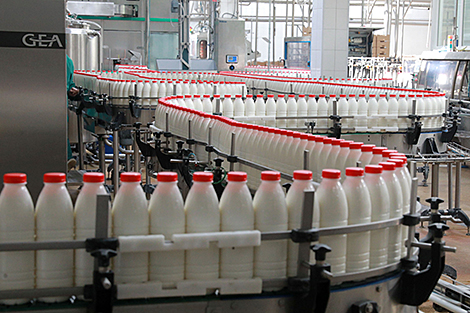
An archive photo
MINSK, 1 June (BelTA) – Belarus and the Food and Agriculture Organization of the United Nations (FAO) discussed efforts to strengthen global food security through 2030, BelTA learned from the press service of the Belarusian Agriculture and Food Ministry.
Belarusian Agriculture and Food Minister Yuri Gorlov held talks with FAO Director General Qu Dongyu. The meeting at the ministry marked a significant step in reaffirming the high level of strategic partnership between Belarus and FAO in agriculture food development.
“Belarus highly appreciates the long-standing cooperation with FAO and remains open to constructive dialogue. We support initiatives aimed at advancing agricultural ecology, ensuring food security, and achieving the UN Sustainable Development Goals,” Yuri Gorlov said.
Belarus’ agricultural sector encompasses 8.5 million hectares of farmland (38% of Belarus’ territory), around 21% of the population lives in rural areas, agriculture accounted for 7% of the national GDP. In 2025, Belarus produced nearly 1.8 million tonnes of meat and poultry, 9.2 million tonnes of milk, and harvested more than 9 million tonnes of grain. The country is fully self-sufficient in food production and ranks among global leaders in dairy export, placing fifth in butter export, fourth in cheese, and third in condensed milk and dry whey. Around 40% of agricultural output is exported to more than 100 countries.
“Belarus is capable of producing ten times more food than required for domestic consumption and can effectively supply products for around 100 million people. You are a significant player in global food security, and your experience matters for both Europe and the Global South,” Qu Dongyu stressed.
The FAO director general highlighted Belarus’ three strategic contributions to global agriculture: potash fertilizers, food security potential, and a balanced development model that takes environmental sustainability into account. The parties also discussed veterinary safety and workforce training.
The talks laid the groundwork for deeper cooperation in innovation, sustainable rural development, and strengthening global food security through 2030.
 print version
 make home page
 add to bookmarks