




Press releases
Belarusian news agency BelTA presents AI-powered projects in St Petersburg
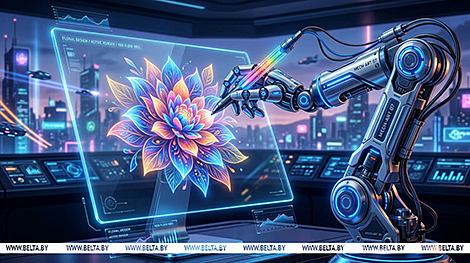
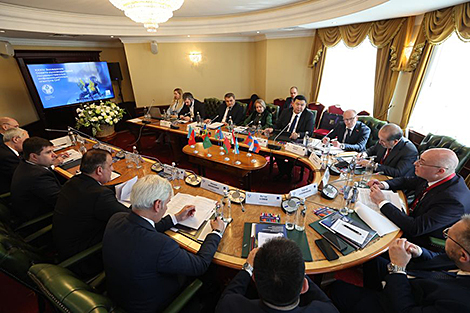
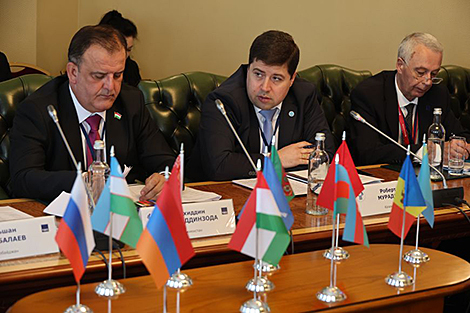
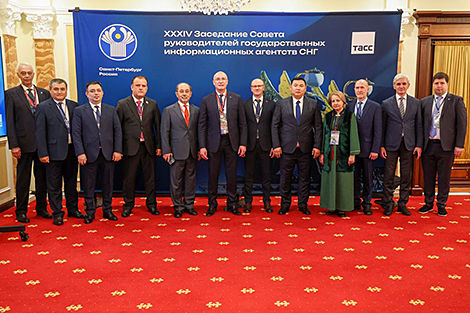
ST PETERSBURG, 3 June (BelTA) - BelTA’s projects created with the use of AI were presented at the 34th meeting of the Council of Heads of CIS State News Agencies (also known as the CIS Information Council) in St Petersburg, BelTA has learned.
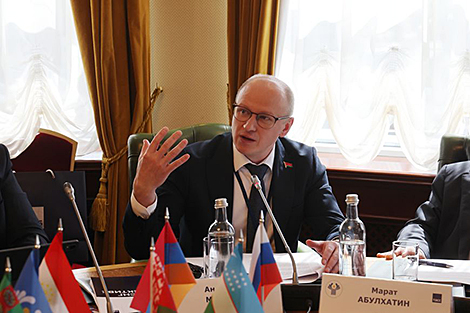
“Artificial intelligence, whether we like it or not, has become an integral part of our time and our profession. Technologies are developing rapidly and we need to keep up with them and use them correctly and responsibly. However, at this point, a neural network is an algorithm and a tool, not an artificial brain making decisions in a global sense,” BelTA Director General Andrei Mokhor said during the meeting. “At BelTA, we use AI primarily for working with photos and videos, automating certain technological processes, and also as an assistant in analyzing work efficiency. At the same time, we do not use and do not intend to use AI for writing or editing texts. That would be extremely unprofessional. For us, it is taboo!”
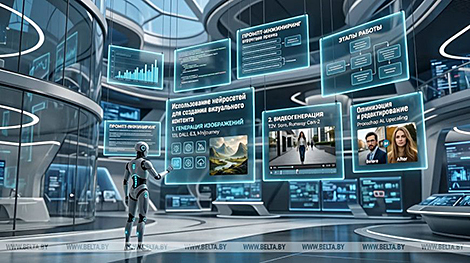
Andrei Mokhor detailed the agency’s use of generative AI for producing visual content and processing photographs and video footage. One of the most prominent and in-demand areas of the news agency’s work with AI today is the animation of archival and historical photos. As a rule, this is timed to coincide with landmark events in the life of the country.
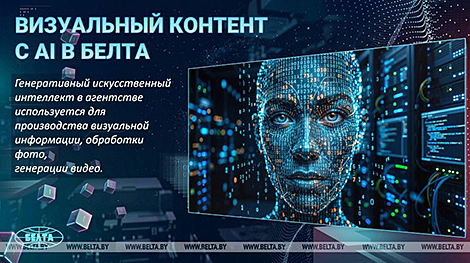
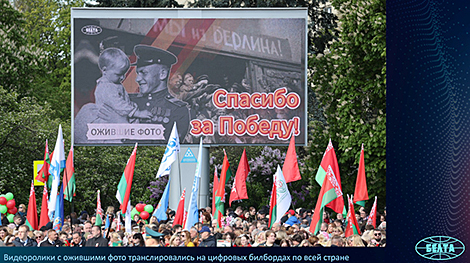
For the 80th anniversary of Victory in the Great Patriotic War, the Belarusian news agency BelTA used artificial intelligence to bring to life a number of photographs from the wartime era. The black-and-white images captured the most vivid, touching, and emotional moments: the liberation of Belarus, the capture of Berlin, and the return of victorious soldiers to their homeland.
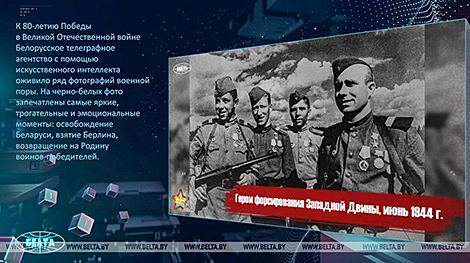
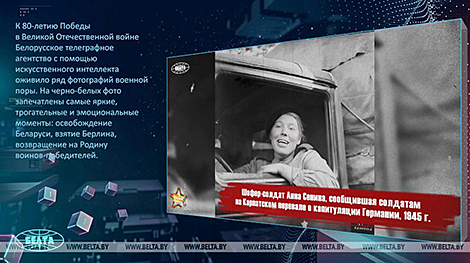
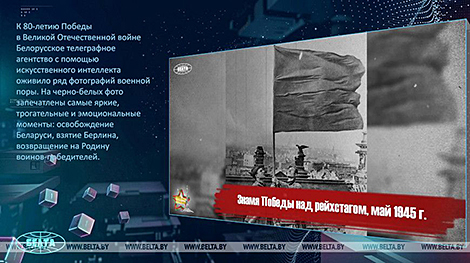
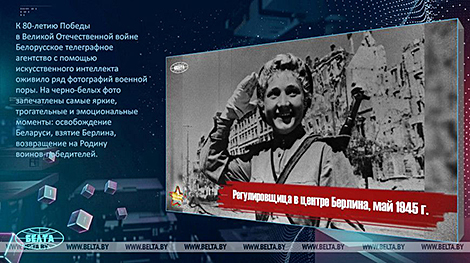
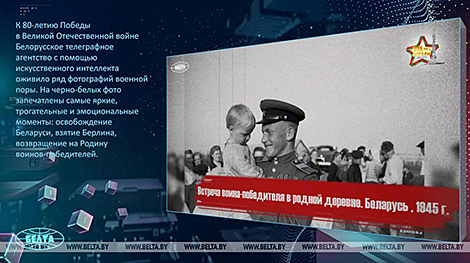
Videos featuring the animated photos were displayed on digital billboards in Minsk and the regions and on BelTA’s Telegram channel and TikTok page, and they generated a strong emotional response.
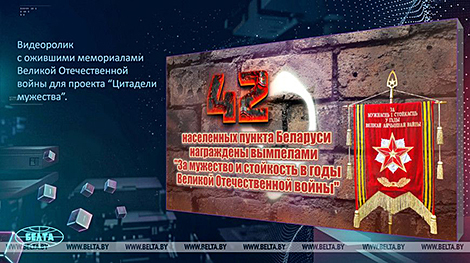
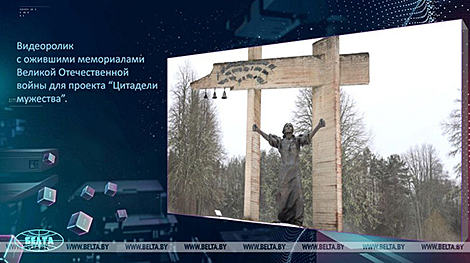
Videos featuring animated monuments of the Great Patriotic War were created for the large-scale patriotic project Citadels of Courage. By decree of the Belarusian president, 42 towns in the country have been awarded pennants for courage and steadfastness during the Great Patriotic War. BelTA’s journalists provided detailed coverage of each of them and “breathed life” into the memorials set up there.
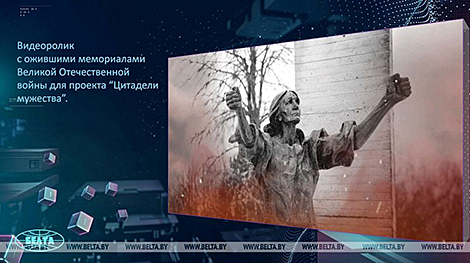
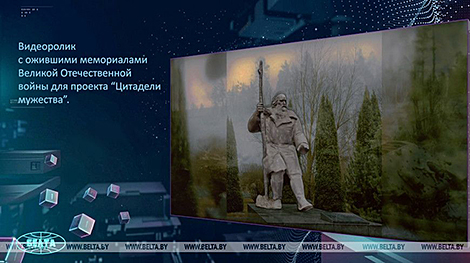
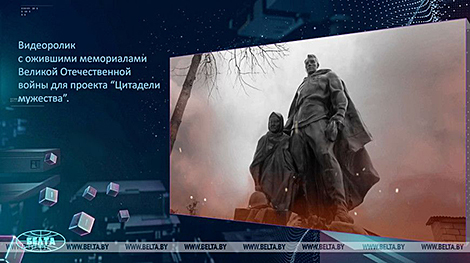
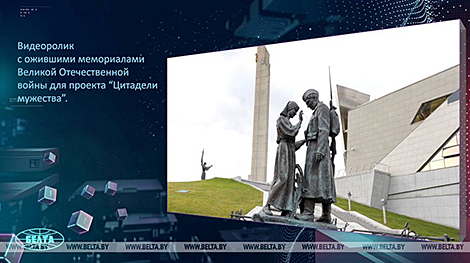
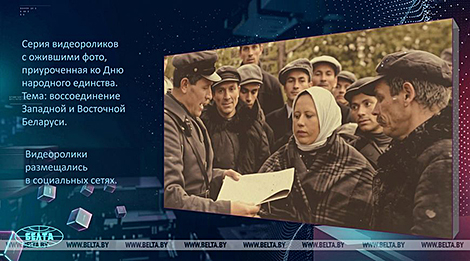
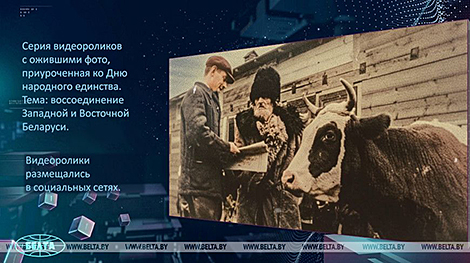
Another series of short videos with “animated” archival photos was prepared for the Day of National Unity. Artificial intelligence made it possible to see for the first time in color and motion the historical events captured in them, telling the story of the reunification of Western and Eastern parts of Belarus. The videos were posted on BelTA’s social media.


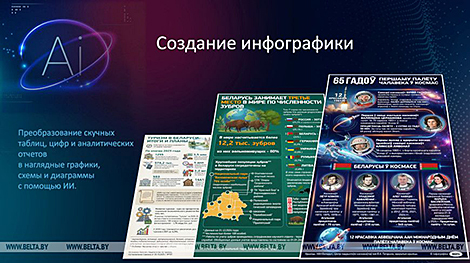
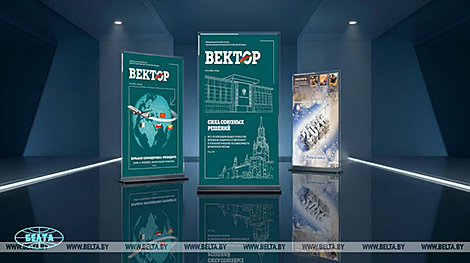
In addition, the news agency uses the AI tools to generate unique images and artworks, create billboards and posters, infographics, covers for print media published by BelTA, and illustrations for articles and social media posts.
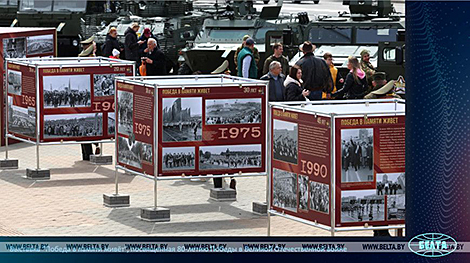
Today, BelTA’s photo archive contains more than 750,000 items, and BelTA regularly puts together large-scale multimedia and photo exhibitions using historical photographs. The processing and restoration of such photos using AI for large-format printing has made it possible to significantly reduce the time needed to prepare exhibitions and expand the number of archival materials used. As an example, Andrei Mokhor cited the large-scale outdoor exhibition Victory Lives in Memory dedicated to the 80th anniversary of Victory in the Great Patriotic War. For the first time, it showcased unique photos illustrating how Victory Day was celebrated in the BSSR and sovereign Belarus from 1945 to the present day. The quality of many of the images was significantly improved through the use of upscaling technology.
“I believe that AI poses a certain danger for the journalism profession: gathering, analyzing, fact-checking, and drawing conclusions... Yes, AI does this faster and covers a larger volume of information. But in doing so, we lose the factor of the author’s personal responsibility for the result. So, to the question of whether AI will replace journalists, my answer is no! At least in the near future,” Andrei Mokhor said. “What will happen further down the line, we will see. Photos and videos generated by neural networks are becoming increasingly realistic, and the volume of such content is growing rapidly. AI is learning from this, and the cost of inaccuracy or reckless use of such files is high. Remember the term эdead internetэ and the conspiracy theory associated with it? That media content on the internet is now mostly produced and consumed not by real people but by AI. A couple of years ago, that sounded funny and implausible. But today, it is already a real fact: the majority of content in the media is not made by humans. And there is something to ponder here.”
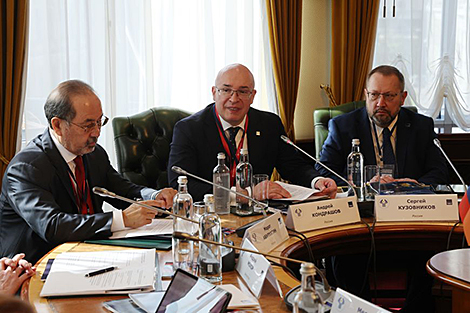
The CIS Information Council was established in 1995. Its members include the heads of state news agencies of the CIS member states. Representatives of Uzbekistan, Turkmenistan, and the CIS Executive Committee also take part in its meetings. The CIS Information Council is chaired by TASS Director General Andrey Kondrashov.
 print version
 make home page
 add to bookmarks