


Press releases
A village where everyone dreams of becoming ‘tsar’: How Semezhevo preserves unique rite
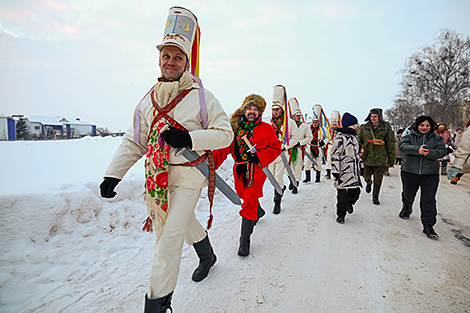
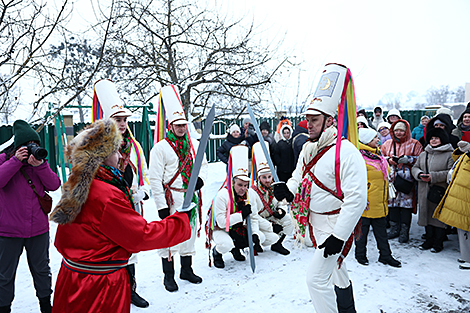
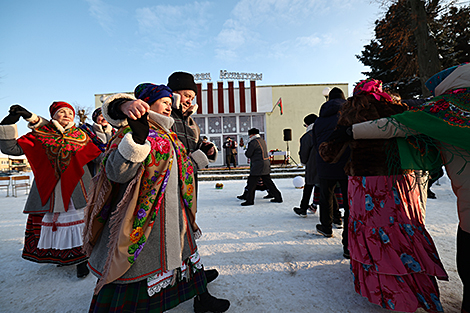
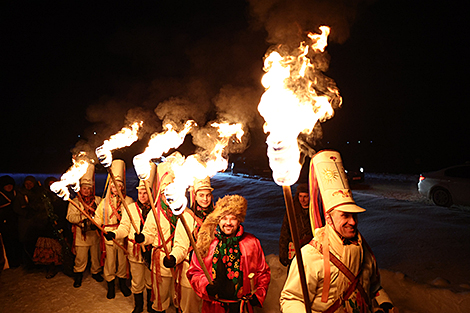
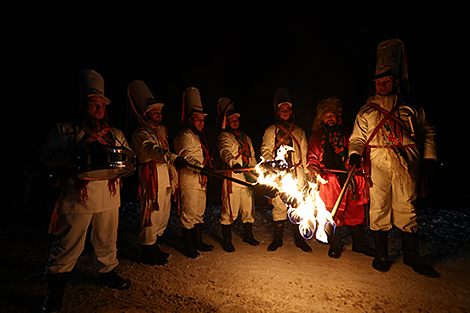
For one day a year, on 13 January, the agro-town of Semezhevo in Kopył District transforms into a genuine stage. Not only does it host a Christmas fair featuring tastings of local dishes (some of which can only be sampled in Semezhevo), but also a unique rite with a rich history: Kalyady Tsars (Christmas Tsars). BelTA’s correspondents found themselves at the heart of this event.
Becoming a ‘Tsar’ is a competitive process
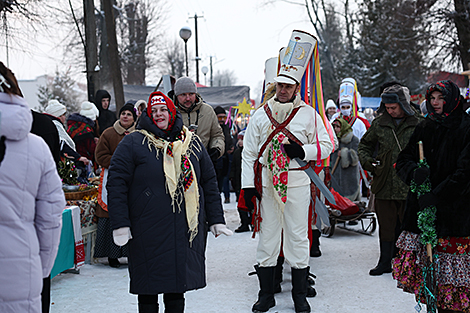
According to Yulia Strelkina, head of the Semezhevo community center, Kalyady Tsars rite, which was added to the UNESCO World Heritage List in 2009, is cherished and revered by the local community. Every self-respecting man in Semezhevo dreams of taking part in the procession, though not everyone is selected. Applicants must pass a competitive selection process based on both appearance and theatrical talent.
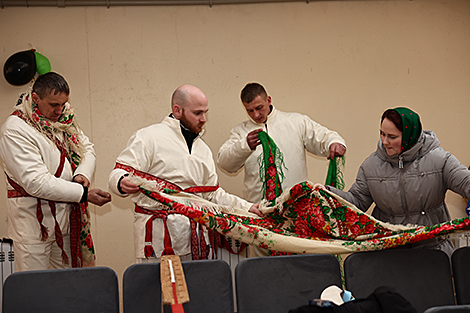
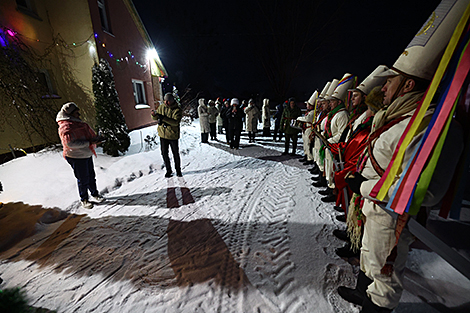
"The procession consists of 12 carolers, including seven men or boys dressed in white suits with tall hats adorned with fluttering multi-colored ribbons. These are the Tsars, the main characters of the ceremony. Each has their own role and name. They are accompanied by Ded (grandfather) and Baba (Grandmother). Their mission is to assess the prosperity of the households visited by the Tsars. In this way, it was determined whether a wealthy bride lived in the house, as the carolers primarily visited the homes of unmarried girls. The villagers believed that this visit helped to more successfully secure her marital happiness,” she noted.
The ceremony in Semezhevo is so revered that every local boy knows the words of the rite, which differ little from the original ones.
“We all have understudies, so lengthy preparation isn’t needed. However, not everyone makes the cut. Only tall, sturdy young men are taken as ‘Tsars’. And specifically those who are good students. Who would ever take an underachiever as a ‘Tsar’! It warms the heart to see our youth striving to preserve the tradition. There are families in Semezhevo where entire dynasties of ‘Tsars’ have grown up. For instance, nearly all the men in the Timonov family have taken part in the Kolyady procession. All the brothers in the Bragin family have walked as ‘Tsars’. It’s a point of prestige for men. They say they are proud to bear the Tsar’s status,” Yulia Strelkina said.
Welcome in every courtyard
We couldn’t help but speak with the main participants of the ceremony. Vitaly Zhdanovich, a foreman at the Semezhevo company in everyday life, today is Tsar Maximilian. “This is my sixth season walking in the procession, even though I’m not a local. But I was happy to join the tradition; it really enriches our lives, making it more interesting,” the man shared.
Aleksei Shashnov is a repair and maintenance mechanic for machinery at the local farm, and on January 13th, he is a 'tsar.' “I write the scripts myself. Taking part in the rite is very engaging, and it’s wonderful that it has survived to our day,” noted Aleksei.
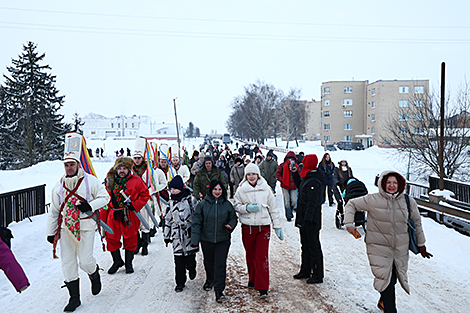
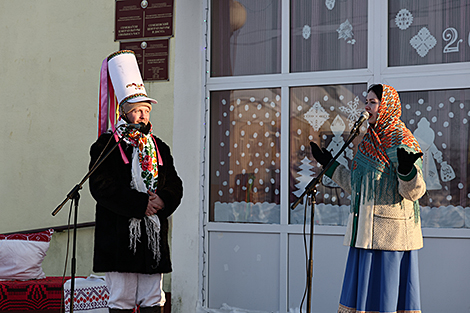
A new generation of ‘Tsars’ is also growing up in Semezhevo. Oleg Strelkin, a seventh-grader, is one of them. Despite his age, the boy is tall and broad-shouldered - a true ‘tsar’. “This is my second year in the rite. This year I’m playing the role of Mamai. I’m proud that Semezhevo is known worldwide thanks to our traditions,” the young man told us, adding that he enjoys theatrical arts and is happy to perform the role entrusted to him.
Visit of ‘Tsars’: A promise of peace and harmony
For local residents, the old tradition is a living thread running through the generations.
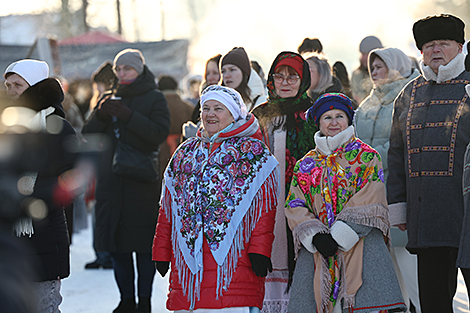
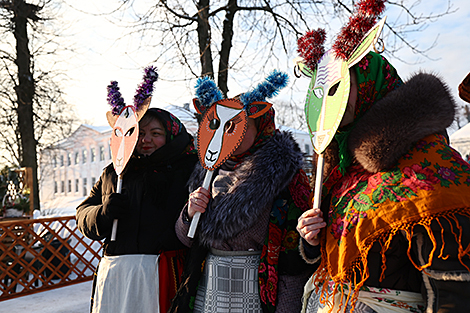
Valentina Ivanovna Sheleg shared that she remembers the vivid ritual from her early years: “They always celebrated it. The tradition is many years old. Mother would always get ready, preparing treats for the ‘Tsars.’ They gave both meat and sausage, as they believed: if the ‘Tsars’ come, there will be peace and harmony in the house.”
Valentina Sheleg worked as a nurse’s aide at the local hospital for over 30 years and has carried her love for folk culture and song throughout her life. “We cannot do without traditions; our life and our roots are in them. That is why everyone in Semezhevo so eagerly awaits Kalyady,” she said.
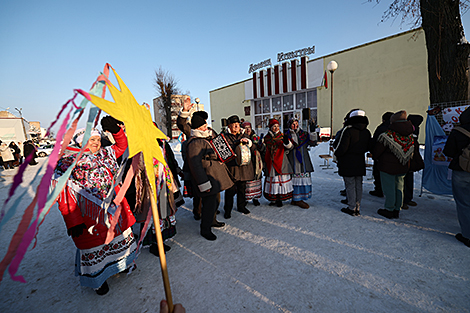
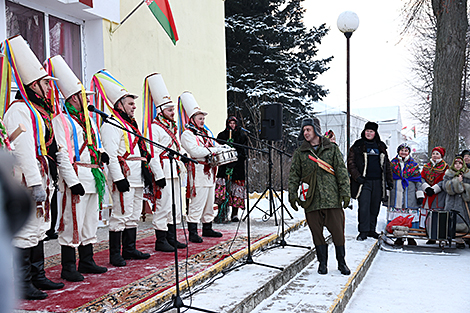
Vera Nikolayevna Yesmantovich noted that the Kalyady Tsars ritual is a vibrant part of local culture. Its preservation has been greatly facilitated by Semezhevo local historians: deputy head of Semezhevo school Nikolai Aleshkevich and club director Nikolai Shauro.
“In Soviet times, though the custom was under a kind of ban, it wasn’t erased from memory. It just wasn’t practiced openly. Yet, thanks to Semezhevo’s long-time inhabitants, the tradition lived on. They even kept it up quietly,” Vera Yesmantovich recounted. “This memory is very dear to me. In all times, it has been a great holiday for our people.”
Semezhevo’s unique cuisine
It should be noted that especially for the Christmas fair in Semezhevo, they prepare not only traditional Belarusian dishes but also local ones not common in other communities.
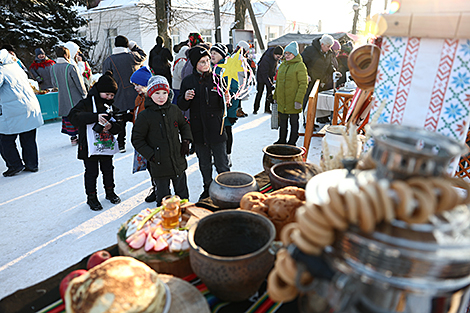
“You can probably try potato pie with poppy seeds only here. It's made from mashed potatoes with milk, with each layer filled with a poppy seed filling. The richer the family, the thicker the poppy seed layer was. The dish is very tasty and hearty,” Yuliya Strelkina said.
Semezhevo also has its own solodukha – a healthy drink based on rye kvass with the addition of chopped apples, pears, and plums. “And what a unique taste the beetroot kvass has, which is made from beets, mushrooms, and dried bream! You can only taste such dishes in Semezhevo,” Yuliya Strelkina pointed out.
Yelena Kharevich,
photos by Andrei Sinyavsky
 print version
 make home page
 add to bookmarks