



Business news
Lukashenko reviews prospects for cooperation between Vitebsk Oblast, Andijan Region of Uzbekistan
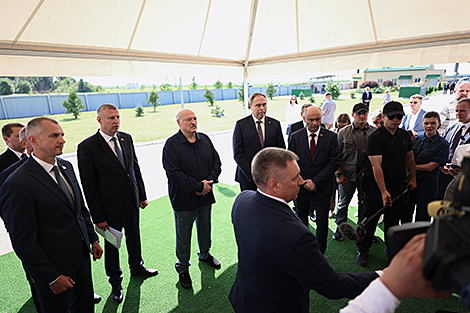
ORSHA DISTRICT, 14 July (BelTA) – Belarusian President Aleksandr Lukashenko reviewed the prospects for cooperation between Vitebsk Oblast and Andijan Region of Uzbekistan, BelTA has learned.
Joining the president on his working trip to Orsha District was Governor of Uzbekistan’s Andijan Region Shukhratbek Abdurakhmanov.
The cooperation plans are being implemented in follow-up to the agreements reached between the presidents of the two countries. These include both investments in various sectors and invitations for Uzbek citizens to come to work in Belarus. “I promised the president that we would make this happen. It is in our interest. This way, Vitebsk Oblast will get a boost,” Aleksandr Lukashenko said. "You can process milk and meat into whatever you need. If you think it’s necessary to build a processing facility, we’ll build it together, or you can build your own. That’s up to you. The final price will depend on that. It’s a matter of economics.”
“We will work like brothers! You can rest assured.”
Shukhratbek Abdurakhmanov expressed gratitude for the working conditions established in Vitebsk Oblast and conveyed greetings from Uzbekistan President Shavkat Mirziyoyev.
Aleksandr Lukashenko also addressed the matter of providing housing for workers from Uzbekistan. “We have decent enough housing in our villages. We’ll fix it up together. Whatever we build, we will build for the people. Uzbeks, Belarusians… There will be no difference. Your children will go to kindergartens and schools on the same terms as Belarusian children,” the Belarusian leader emphasized. “When they come here, they should know that they are not strangers to us. We will make all of that happen. The sole condition is that they work.”
Aleksandr Lukashenko also urged the governor of Andijan Region to look beyond Vitebsk Oblast. There are good opportunities to promote similar cooperation in the southeast part of Mogilev Oblast where a regional development program has already been drawn up. “We are not going to scrap it. There are tax breaks and other incentives there. The main thing is the people. Let them come and work. We need to figure this out. The government is currently working on it. They’ll put together the numbers for you: how many people are needed and what kind of specialists," he said.
Plans are in place to hire Uzbek citizens not only in agriculture, but also in construction, industry, and the services sector and as junior medical staff. A group of 250 people arrived recently and have all been assigned to their jobs. Additionally, an agreement has been reached for another 5,000 people from Andijan Region to come to Vitebsk Oblast. They will begin arriving in groups of 500 starting in September. Vitebsk Oblast is preparing the necessary conditions to receive them.
The arrangements also include providing the Uzbek side with ten premises for fattening bull calves across seven districts and allocating 8,000 hectares of agricultural land for this purpose. The terms for supplying livestock and equipment are still being discussed. The produce will be bound for export to Uzbekistan.
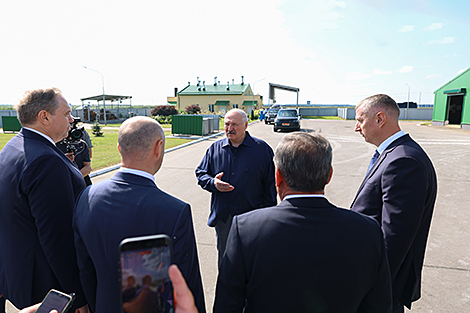
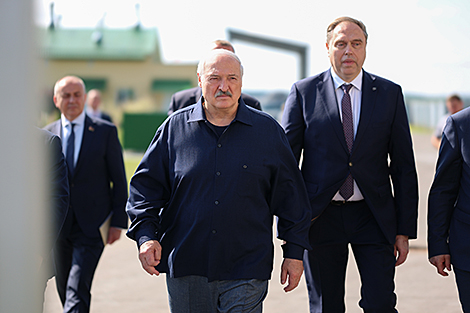
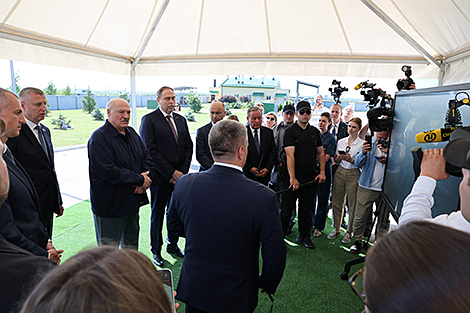
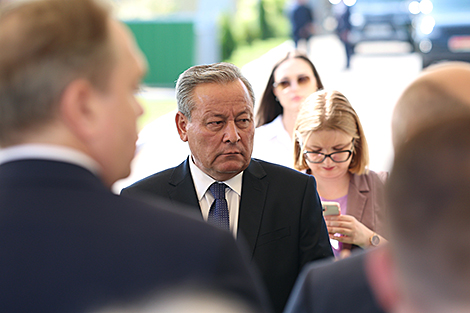
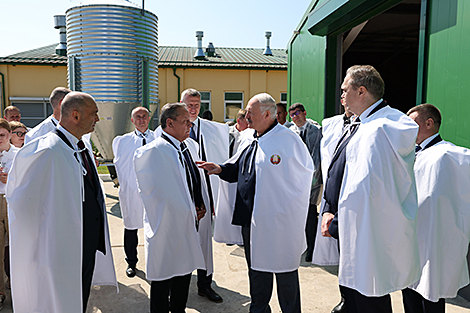
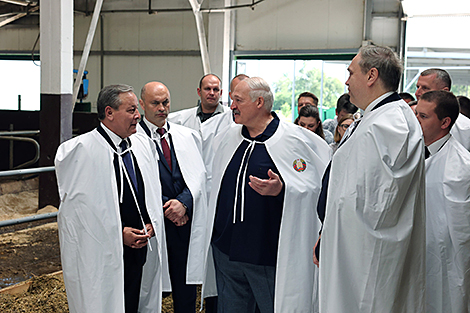
“The economic side needs to be kept under control and see what exactly Vitebsk Oblast stands to gain from all this. That needs to be calculated precisely,” the head of state said.
Additionally, in Beshenkovichi District, the Uzbek side will take 2,000 hectares for potato cultivation. Potato storage facilities will be provided. In turn, Belarus will assist with technology and supply seed potatoes. “They will have all the specialists on hand to help with cultivation techniques. All they need to bring is the equipment and the working hands. The rest of the support will come from us,” said Aleksandr Rogozhnik, Chairman of the Vitebsk Oblast Executive Committee.
“Well, our equipment shouldn’t stay on the sidelines either. We’ll be helping them out as well. If they see that you're not just playing games here, they'll be willing to invest," the Belarusian leader remarked.
Cooperation in wood processing holds a great promise too. A site has been selected for the construction of a modern wood-processing facility with Uzbek investment. In addition, the partners plan to produce wood fuel pellets, with the finished product to be supplied to Uzbekistan. All the necessary sites have already been identified.
“We need to get started without dragging our feet,” the head of state remarked.
There is also an agreement that the Uzbek side will establish a construction company staffed with its own personnel and will build and renovate all their facilities themselves.
A trading house selling goods from Uzbekistan has already started operating in Vitebsk, and a site has been selected for opening an Uzbek cuisine restaurant.
Belarus is planning to give the partners a former sanatorium residential school in the town of Bogushevsk in Senno District, which will be repurposed into a holiday facility for Uzbek citizens.
 print version
 make home page
 add to bookmarks