


Opinions & Interviews
Mokhor: Media integration will boost trust and mutual understanding within SCO
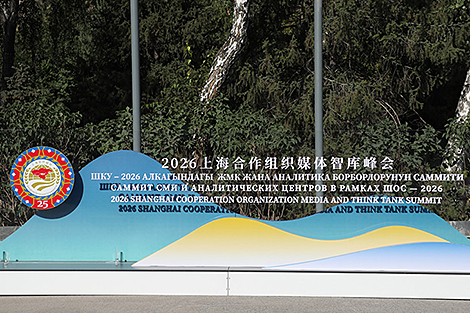
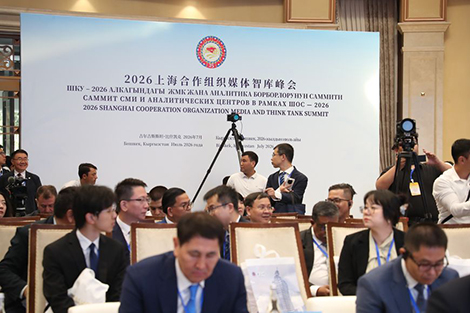
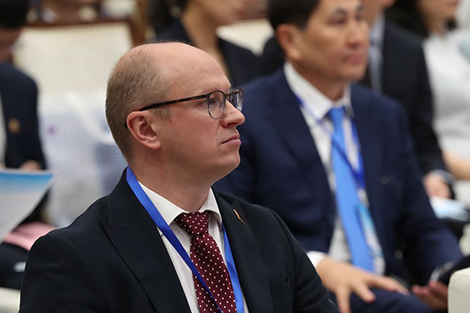
BISHKEK, 27 July (BelTA) – Media integration among the Shanghai Cooperation Organization member states will help strengthen trust and mutual understanding between them, Director General of the Belarusian Telegraph Agency BelTA Andrei Mokhor said at the SCO Media and Think Tank Summit in Bishkek, Kyrgyzstan, BelTA has learned.
“Over the past quarter of a century, the Shanghai Cooperation Organization has evolved from a regional mechanism of interaction into one of the largest trans-regional platforms, uniting states with a combined population of about three and a half billion people. For the mass media, this represents a vast audience in need of objective and reliable information,” Andrei Mokhor noted. “This is precisely why the media play a key role in the integration processes across Eurasia. We inform people in our countries about the advantages of joint development, the distinct characteristics of partner states, important economic and social changes, and joint projects.”
The Shanghai Cooperation Organization has become a common home for many ethnic and religious groups, traditions, life philosophies, and strategies, which underscores the importance of understanding and studying them. “Since every national culture within the SCO is unique and serves as a repository of centuries-old wisdom, we must strive to make this heritage accessible to the widest possible audience. This is a unique setting for mutual cultural enrichment and for bringing peoples closer together, and it merits extensive media coverage. Belarus is already taking practical steps in this direction, including the implementation of a large-scale project, the Day of National Cultures of the SCO, held within the framework of the International Festival of Arts Slavianski Bazaar in Vitebsk,” the BelTA director general emphasized.
According to him, expanding media cooperation among the Shanghai Cooperation Organization member states will make this work more effective and will facilitate the discovery of new approaches to information support for all processes, not only within the organization but also across the wider world.
“Intellectual media integration represents a strategic tool for shaping a common information space. It combines analytics and digital platforms, including those using artificial intelligence, to advance the sustainable development agenda, which is particularly relevant in the context of implementing the SCO Development Strategy until 2035,” Andrei Mokhor said.
In his view, the main directions of media integration include the organization of official information exchange and coordinated fact-checking, the integration of artificial intelligence and media, and the creation of unified educational platforms. “Intellectual media integration holds significant potential for enhancing the effectiveness of the Shanghai Cooperation Organization. SCO media need to develop digital platforms and foster interaction across various online environments, exchange content, pursue joint projects, and synchronize the work not only of traditional media outlets but also of the leading think tanks of the organization’s member states. One of the primary objectives of media integration is to strengthen trust and build sustained mutual understanding among countries through objective and transparent coverage of significant initiatives, as well as through the development and implementation of agreed-upon regulatory mechanisms,” he concluded.
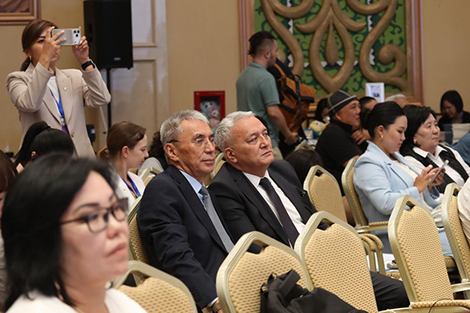
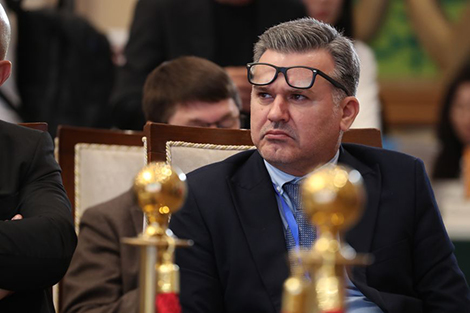
The first SCO Media and Think Tank Summit is being held in Bishkek. The event has brought together around 250 delegates from 26 countries, including heads of leading news agencies, media workers, representatives of think tanks, research centers, government bodies, and international organizations. The forum is centered on the theme of the SCO entering a new era, transitioning from mutual understanding toward practical cooperation. During the plenary session and thematic panels, participants are discussing the development of international media cooperation, the digital transformation of the media environment, humanitarian interaction, and contemporary challenges in the global information space.
 print version
 make home page
 add to bookmarks