




Press releases
Vitebsk painted wall carpets to go on display in Moscow
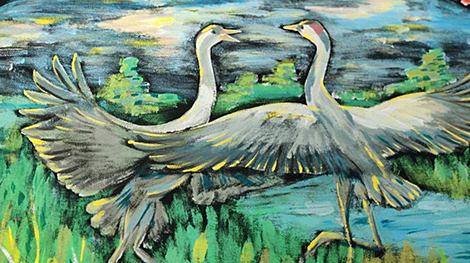
VITEBSK, 31 July (BelTA) – Vitebsk’s traditional painted wall carpets, known as “malyavankas”, will be featured at an exhibition at the Tsaritsyno Museum Reserve in Moscow, BelTA learned from the Vitebsk Oblast Methodological Center for Folk Art.
“As part of the large-scale Moscow project Non-naive Naive. Art Beyond Rules, a satellite exhibition will be held at the Tsaritsyno Museum-Reserve, featuring an extensive collection of malyavankas. Among the 50 works on display, pieces from Vitebsk Oblast will hold a place of honor. In Russia, they are known as ‘painted wall carpets. About twenty original malyavankas from the collection of the Vitebsk Oblast Methodological Center for Folk Art will be presented. They will be shown to the Moscow public for the first time,” said Olga Sergiyenko, the center’s artistic director.
This form of folk art developed from centuries-old traditions of embroidery and weaving, as well as painted chests. Later, it evolved into a simpler way of decorating interiors. “During the years of active rural reconstruction, people had the opportunity to improve their homes, which led to a need to decorate their living spaces with painted carpets,” Olga Sergiyenko explained.
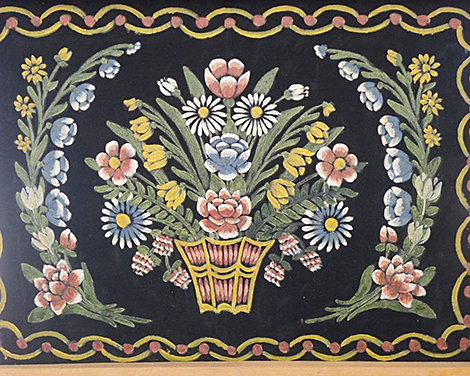
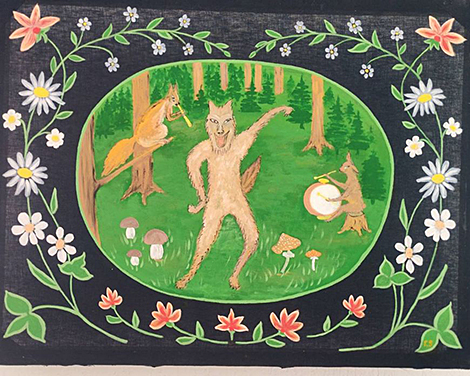
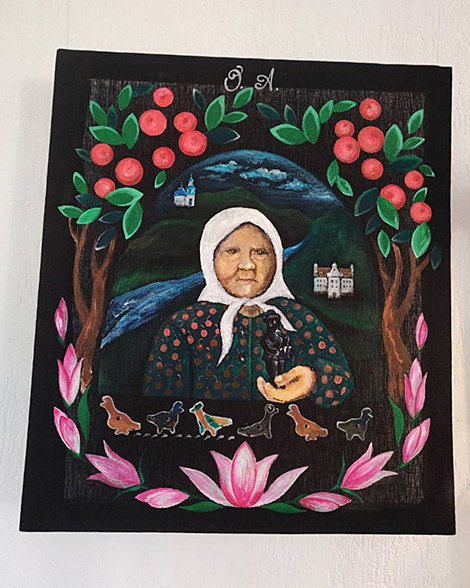
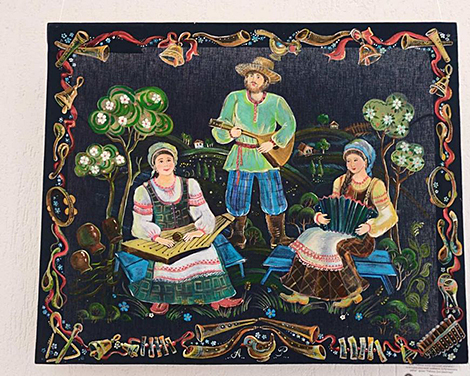
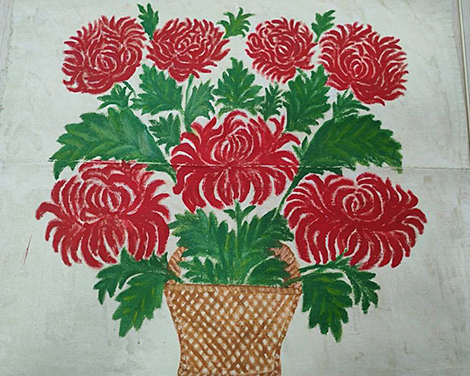
The peak of this tradition came roughly between the 1920s and 1960s. Malyavankas were painted with homemade oil or glue-based paints, using block printing or stencils for larger canvases.
Olga Sergiyenko noted that this type of folk art was particularly developed in Vitebsk Oblast and Minsk Oblast. A significant legacy in this genre was left by the professional artist Yazep Drazdovich. “Vitebsk works have their own distinctive features: large-format compositions predominate, featuring bouquets in vases or baskets tied with ribbons, as well as birds and narrative scenes with people, for example, a girl in a beautiful hat in a meadow,” the artistic director said.
The exhibition will open on 31 July and run through 18 October.
 print version
 make home page
 add to bookmarks