




Press releases
Relict forest discovered at bottom of Sozh River
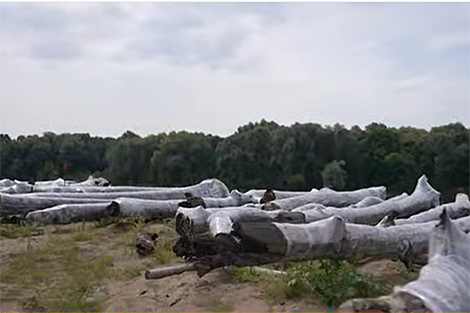
An archive photo
MINSK, 30 August (BelTA) - A whole relict oak forest has been discovered at the bottom of the Sozh River, near the village of Chenki. The weight of a single trunk can reach nearly 15 tonnes, and the oldest specimen is estimated to be 7,000 years old, ONT TV channel reported, BelTA has learned.
Submerged oak is often called the “black gold” of the forest. Divers conducted searches for weeks using hydroacoustic equipment and sonar. For the first time, not only oaks but also larch trees dating back around 800 years were discovered on the riverbed. A turning anchor from the Great Patriotic War was also found. The discovered relics provide insight into what oak forests looked like centuries ago.
"Each trunk lived its own period, experiencing completely different conditions. During its lifetime, climatic and hydrological conditions varied. By studying the tree rings, we can understand what conditions prevailed at specific times. This helps predict future plantings for restoring floodplain oak forests and dating archaeological finds made from oak wood,” said Sergei Dupanov, a researcher at the Institute of Forestry of the National Academy of Sciences of Belarus.
The discovered wood must be properly preserved. Each log is immediately wrapped in airtight film, because without special treatment, submerged oak can turn into ordinary firewood upon contact with oxygen. This is followed by a drying process that can take up to five years. Only then is the material suitable for production. Due to the challenging extraction conditions, only a small portion of such wood is processed.
 print version
 make home page
 add to bookmarks