




Press releases
Belarus launches genogeographic mapping of hereditary mutations
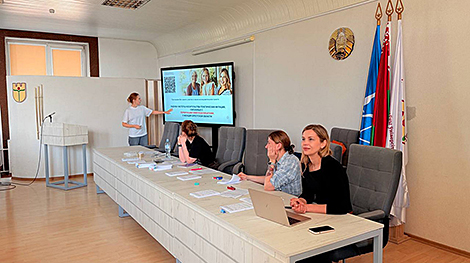
MINSK, 21 May (BelTA) - Belarus is working on a genogeographic map of hereditary mutations, BelTA learned from the press service of the Belarusian Healthcare Ministry.
The National Scientific and Practical Center for Pediatric Oncology, Hematology and Immunology has launched a large-scale initiative for genetic screening of founder mutations among young women in Brest Oblast. “The goal of the initiative is to develop the country’s first genogeographic map showing the distribution of such mutations in genes associated with primary immunodeficiencies and hereditary predisposition to cancer. The first outreach event took place at Brest State A.S. Pushkin University as part of the Year of the Belarusian Woman. The initiative is aimed at strengthening reproductive health, improving medical literacy, and preventing hereditary diseases. During the event, 303 women of reproductive age voluntarily provided samples for screening,” the press service reported.
According to the ministry, a high frequency of founder mutations is being detected in the East Slavic population, including Belarus, in genes responsible for primary immunodeficiencies and hereditary cancer predisposition (such as Nijmegen breakage syndrome, ataxia-telangiectasia, and others). Heterozygous carriage in women may increase the risk of miscarriage, as well as immune and oncological pathologies.
“This is precisely why awareness and accessible screening are becoming key tools of preventive medicine. They give future mothers the opportunity to plan their families consciously. All collected samples will form the basis of Belarus’ first genogeographic map of key mutation distribution and a national carrier database. This will enable the development of modern approaches to preventing severe hereditary forms of immunodeficiencies,” the press service said.
Each participant in the initiative will receive their test results, and if carrier status is identified, the necessary medical genetic support at the National Scientific and Practical Center. Screening will continue at other educational institutions in Brest Oblast.
 print version
 make home page
 add to bookmarks