





The straw weaving traditions of Belarus were included in the UNESCO Representative List of Intangible Cultural Heritage of Humanity
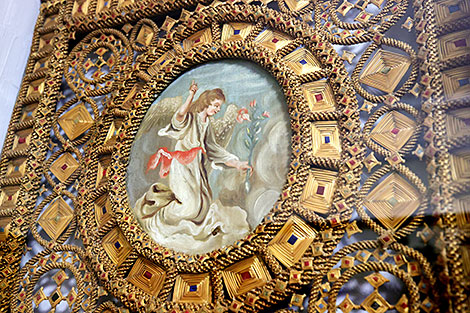
Straw weaving is an original and traditional art that bears a unique cultural code and is a national asset of the Belarusians. The Intergovernmental Committee for the Safeguarding of the Intangible Cultural Heritage of UNESCO approved the inclusion of the Belarusian nomination file “Straw weaving of Belarus: Art, craft and skills” into the Representative List of intangible Cultural Heritage of Humanity at its session in Morocco.
Fancy patterns, airy spider amulets, outlandish birds and even mighty bison – there is nothing Belarusian artisans cannot do from straw! Since ancient times, this craft has helped create durable and convenient products for everyday life and for housekeeping. Filled with light and warmth, the sunny yellow straw became an inspiration for creativity. Skillful hands created real masterpieces filled with deep symbolism. Nowadays, artistic products made of straw are popular with tourists who buy them as a cool souvenir reminding of the blue-eyed Belarus. Such products are unmatched in the world. This is one of the distinctive features of the artistic traditions of the Belarusian people, their unique spiritual culture.
On the territory of contemporary Belarus straw weaving emerged at the turn of the II-I millennia BC with the advent of farming. It is known that among the Eastern Slavs this craft was closely connected with the ancient farming rites and the cult of bread and fertility. Since ancient times, the Belarusians considered straw, which absorbed the warmth of the summer sun, an analogue of gold, so it was often used as a church decoration, for example, for the main gate of the iconostasis in an Orthodox church.
In the 18th - 19th centuries, straw weaving was more widespread in the Belarusian Polesie, and since the beginning of the 20th century it has gained popularity throughout the country. In the 1960s-1980s, straw weaving enjoyed a new lease on life with the development of techniques to make souvenirs and decorative items. The genre of decorative animalistic sculpture was developed by artisans such as Vera Gavrilyuk, Taisia Agafonenko, Larisa Los, Lidia Glavatskaya, Tamara Pavlovskaya.
Nowadays straw weaving is practiced in various regions of the country by more than 200 weavers, 20 of whom have been awarded the People's Master of Belarus title. Training courses, workshops, numerous exhibitions, arts and crafts festivals are held on a regular basis to popularize the straw weaving art in Belarus.
![Kalyadnaya Zorka [Christmas Star] at the Grodno State Museum of History and Archeology](/apimages/46691_s.jpg "Kalyadnaya Zorka [Christmas Star] at the Grodno State Museum of History and Archeology")

